

A place where history is
lived
The church hall of the Dietrich Bonhoeffer Haus hotel, which is now available to interested parties as a prestigious space for conferences in the fields of religion, social affairs, science, or culture, has been the scene of eventful times. In 1989, the Central Round Table of the GDR met here – a symbol of peaceful democratization. Even today, a plaque commemorates these days when history was written and the future was shaped.
On December 7, 1989, our building hosted the first three sessions of the Central Round Table of the GDR. Shortly afterwards, from December 27, the sessions were moved to Schloss Schönhausen due to lack of space.
The Central Round Table was a coordination committee in which representatives of the established parties, together with citizens' initiatives and new parties, moderated the transition from the end of the SED's one-party system to the first free and secret elections in the GDR on March 18. Although it could not exercise a parliamentary function or government duties, it significantly influenced the work of the Modrow government as a public forum.
The Round Tables in Poland and Hungary, which had been established shortly before, served as a model. Similar Round Tables, similar in their function, subsequently emerged in a wide variety of areas of public life, down to the local level. What all Round Tables had in common was that they were civil society bodies, i.e. they were not convened by state powers. The term 'Round Table' symbolically and practically underlined the equality of all participants – even though the Central Round Table usually worked at a rectangular table.
In the three sessions of the Central Round Table in the Dietrich Bonhoeffer Haus, the participants discussed, among other things, the dissolution of the Ministry for State Security and the agreement of the represented parties on details of the further working methods of the Central Round Table.
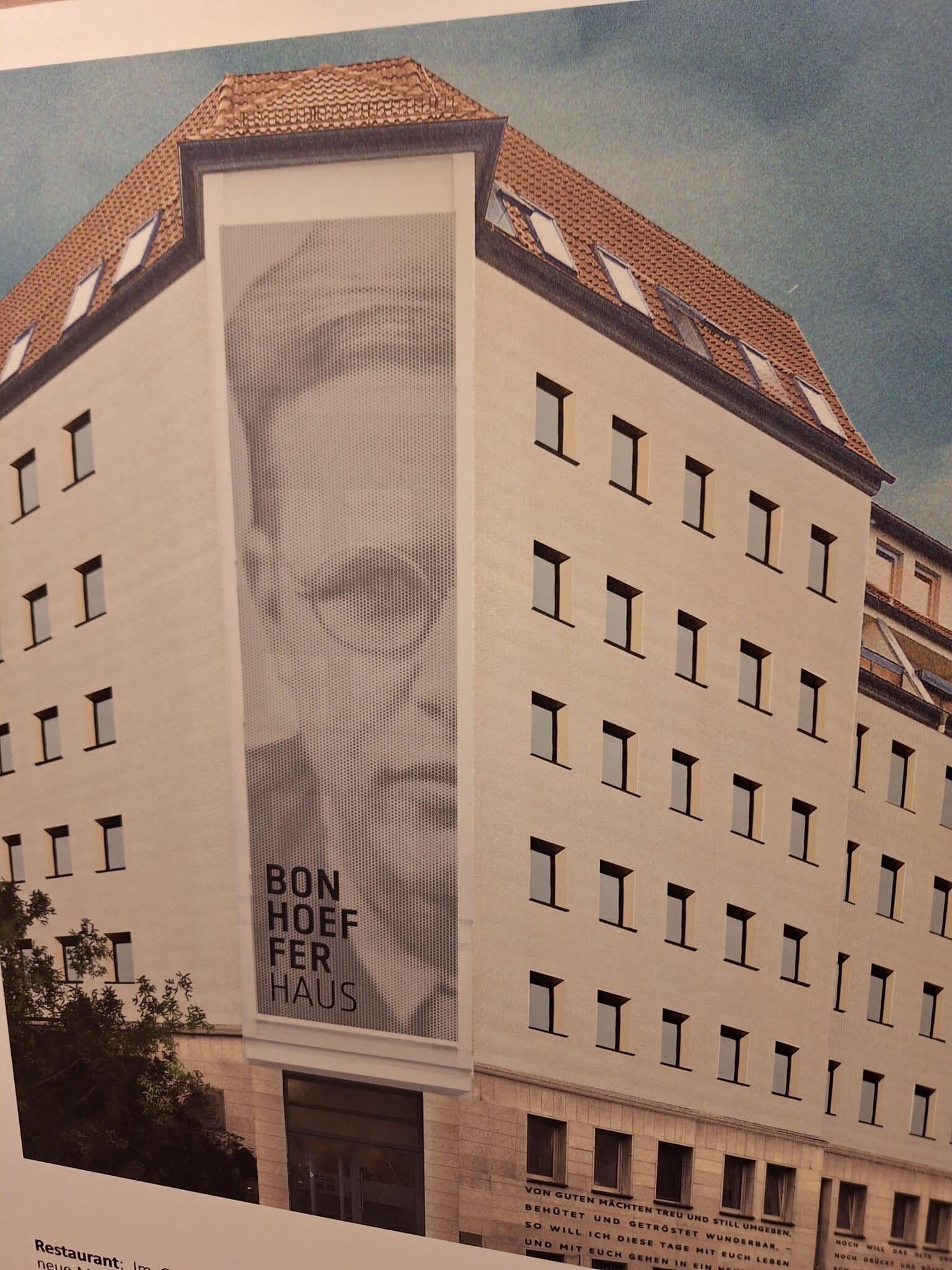
The Dietrich Bonhoeffer Haus was built in 1985/86 as an administrative building, archive, and conference venue for the Federation of Protestant Churches in the GDR. The building was named after the theologian and resistance fighter Dietrich Bonhoeffer. In 1993, the building was converted by the Protestant Church into a hotel and conference venue and has continued to serve this function to this day.

Architecture
with Attitude
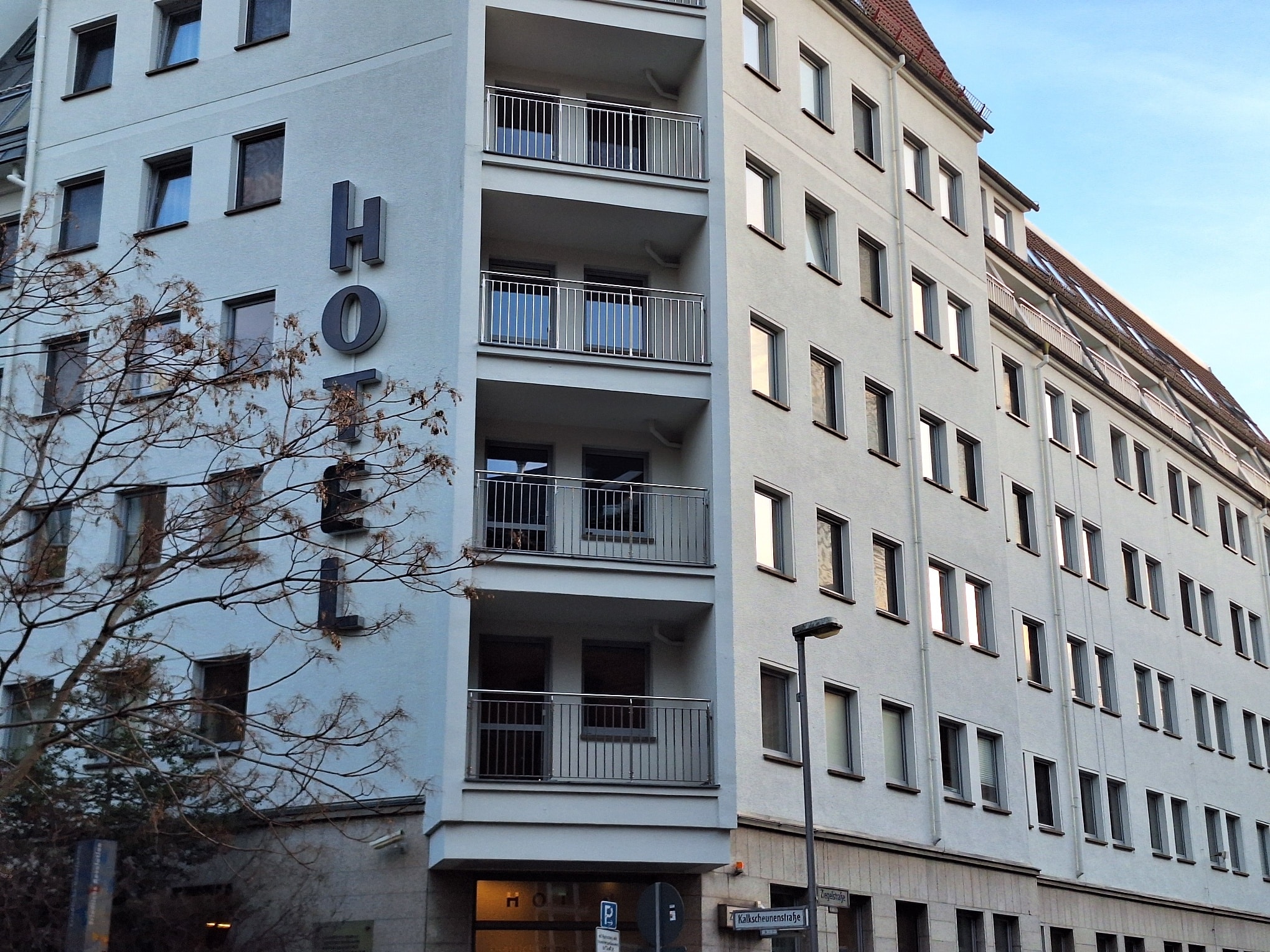
The simple, functional architecture of the building reflects the spirit of East German modernism: open, honest, practical. This aesthetic continues to shape the building today and gives it its own cult status – a place that preserves the past and at the same time offers space for new encounters.
Tradition
and Present
A place of political renewal has become a building for people from all over the world. Today, the Dietrich Bonhoeffer Haus welcomes guests, conferences, and events – always aware of its history and with the aim of keeping dialogue and democracy alive.
Stations
of the Building
December 7, 1989
First Round Table of the GDR
2018
Modernization of the Breakfast Restaurant
2024
Optical Redesign of the Atrium with Inviting Warm Interior
2025
Foyer in Contemporary Design